Future-Ready Skills Curriculum

We use short gameplay and simple discussions to help students build real future-ready skills.

Through group challenges, reflection, and guided facilitation, students practice communication, collaboration, leadership, and resilience – the skills they’ll use long after school.

This curriculum is built on a simple idea:

students learn human skills best by experiencing them together, not by talking about them in isolation.

    X

    Please fill our short form and get access of download pdf files.

    Games Students Play

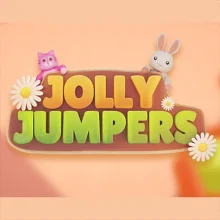
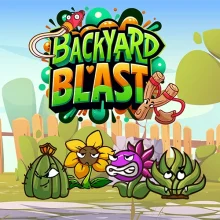
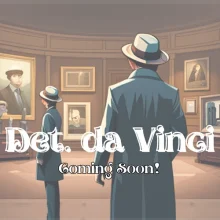
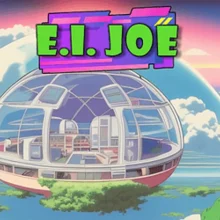
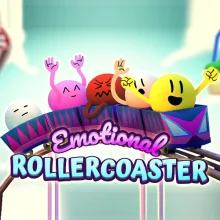
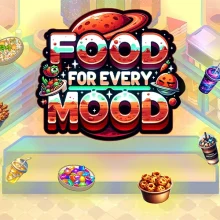
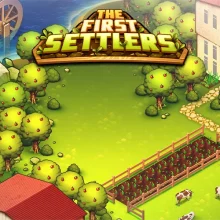
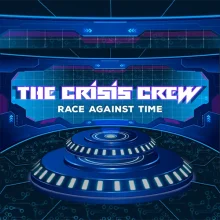
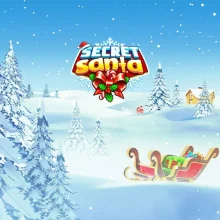
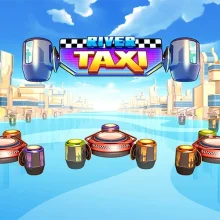
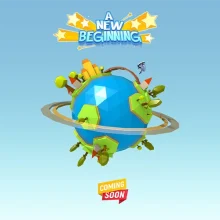
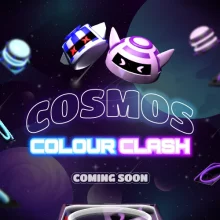
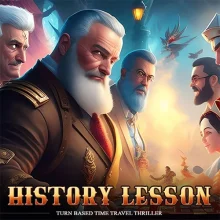
    Each session integrates one multiplayer game, followed by reflection. Games include:

    Games act as the shared experience that drives engagement and long-term skill retention

    Who This Curriculum Is For

    The Future-Ready Skills Curriculum is designed for

    • Students across Grades 3–12
    • Schools looking to strengthen social-emotional learning, leadership, and collaboration
    • Classrooms that want high engagement without screen overload

    It works equally well for

    • advisory periods
    • SEL blocks
    • enrichment programs
    • homeroom or extended learning time

    No prior tech or gaming experience is required.

    Curriculum Philosophy

    Students today face stress, uncertainty, self-doubt, and pressure to succeed. They also need to learn how to work with AI and with each other.

    This curriculum helps students move from:

    • stress → resilience
    • self-doubt → confidence
    • uncertainty → adaptability

    By intentionally developing:

    • creativity
    • empathy
    • collaboration
    • self-regulation
    • conflict resolution

    As highlighted in the curriculum materials, career readiness starts early, and these skills are essential whether students are 8 or 18

    How the Program Works

    Every session follows a consistent, balanced structure:

    Multiplayer by Design
    Students engage in collaborative gameplay with active interactions. Learning happens together – not alone.
    Educator-Hosted
    All sessions run in a secure, school-only environment, facilitated by teachers or trained TomoClub experts.
    Strategic, Not Addictive
    Games are designed to promote learning by doing. Failure is treated as a step toward mastery, not something to avoid.

    Balanced Play Format

    Each session includes:

    • 2–3 short rounds of gameplay
    • followed by guided discussion and reflection

    This ensures play leads to insight, not just engagement.

    Linked to Learning Outcomes

    Every game is paired with:

    • grade-wise lesson plans
    • clear learning objectives
    • real-world skill connections

    The curriculum is built on the CASEL framework and validated by research to support growth, engagement, and positive behavior

    Scope & Sequence (25-Week Journey)

    The curriculum follows a structured progression where difficulty adapts automatically and reflection deepens with maturity.

    Sample progression includes:

    • Strategic team dynamics
    • Adaptive leadership
    • Persuasion and negotiation
    • Emotional intelligence in action
    • Ethical decision-making
    • Resource management
    • Resilience and perseverance
    • Critical prioritization
    • Social responsibility
    • Advanced conflict resolution

    The program culminates in a Capstone Project, where students apply everything they’ve practiced through structured reflection and presentation

    Measuring Progress & Impact

    The program uses comprehensive data inputs to track progress without collecting individual student data.

    Data Sources Include

    • Student surveys (formative and summative)
    • Session-level feedback (quick 5-question check-ins)
    • Correlation with: Attendance, Academic Performance, Disciplinary Referrals

    Reported Outcomes

    0%
    high engagement
    0%
    fewer behavior issues
    0+
    students learning with Tomo

    Implementation & Delivery Models

    Schools can choose the model that fits best:

    Train Your Teachers
    • 4-hour professional development
    • Delivered as two 2-hour sessions
    • Teachers facilitate the program independently
    Hire a TomoClub Expert
    • TomoClub facilitators run sessions for you
    • Seamless delivery with maximum consistency and impact
    Easy Onboarding
    • Simple cohort setup
    • Pre-assessment included
    • Immediate readiness to launch

    An intuitive dashboard allows educators and administrators to:

    • manage cohorts
    • view session information
    • track student growth over time

    What Makes This Curriculum Different

    This isn’t gamification for engagement alone.

    It’s intentional, educator-led, research-backed, and deeply human.

    Games aren’t the goal here. They’re the starting point.

    Every session is designed so play creates a shared experience – and learning happens in what comes next. Teachers guide the conversation, and students listen, respond, and rethink their choices.

    Students don’t just play.

    They pause, reflect, talk it through, and make meaning together.

    Short gameplay is followed by discussion and reflection, keeping screen time purposeful and human interaction at the center.


    Frequently Asked Questions

    What is the Future-Ready Skills program?
    It’s a game-based program that helps students build skills like critical thinking, collaboration, communication, and leadership. Learning happens through multiplayer games and guided discussion.

    No. Game time is not distraction time.

    Every session is educator-facilitated and followed by reflection that connects the game to real-world skills.

    The program is designed for K–12 students.

    Games and discussion prompts are chosen based on age and classroom needs.

    Sessions are short and repeatable. Each session includes 2–3 game rounds, followed by discussion. Schools can run it weekly, during advisory, or as part of enrichment time.
    Schools can choose:
    • Teacher-led sessions (after short training)
    • Sessions led by TomoClub facilitators
    • A mix of both
    The program fits into existing schedules.
    Students practice:
    • Problem-solving and decision-making
    • Teamwork and communication
    • Leadership and emotional awareness
    • Reflection and self-management
    Teachers get ready-to-use games, facilitator prompts, reflection guides, and a dashboard to manage groups. No extra prep is required.
    Stay Updated with the Latest News!

    Sign Up Newsletter