



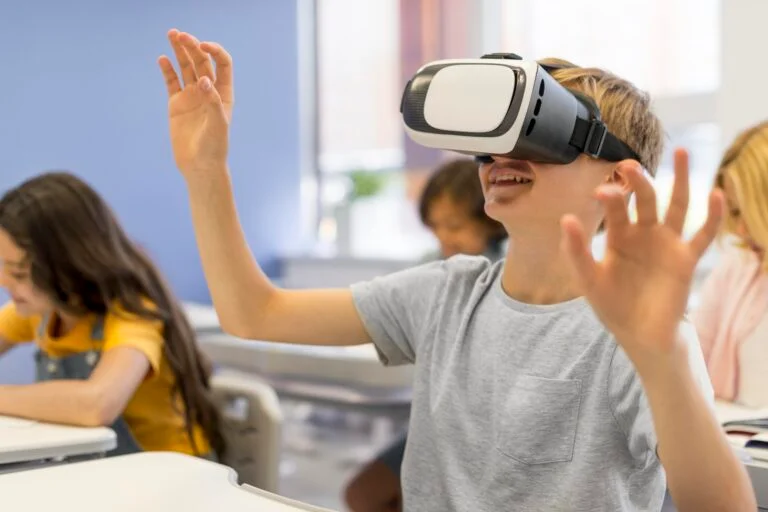
Explore how AI is transforming K-12 education through personalized learning, smarter tools, and innovative approaches to enhance teaching and student success.
Introduction
Artificial Intelligence is revolutionizing education around the world. As schools look to develop well-rounded students, the focus has expanded from academic excellence to include Social Emotional Learning. This blog explores how AI can transform K-12 education and particularly how it can help in fostering SEL.
Understanding AI in K-12 Education
AI in education is all about using machine learning, data analytics, and other AI technologies to create tailored learning experiences. In the K-12 sector, AI is instrumental in personalizing learning; that is, giving each student customized academic content based on their strengths and challenges. Additionally, AI helps in SEL by tracking students’ emotional well-being and encouraging skills such as empathy and self-awareness.
For example, AI-driven tools can monitor behavioral patterns in a classroom or provide real-time feedback through applications that recognize emotions. These kinds of innovations make sure that students receive the support they need, both academically and emotionally.
Opportunities of AI in K-12 Education
Artificial Intelligence (AI) has the potential to transform K-12 education by addressing both academic and Social Emotional Learning (SEL) needs. By leveraging advanced technologies, AI offers tools and strategies to foster a more personalized, holistic, and effective learning environment.
- Personalized Academic and SEL Growth: AI systems can adapt to individual students’ academic and emotional needs, supporting comprehensive development.
- Enhanced Teacher Support: AI tools identify emotional and behavioral trends, enabling teachers to intervene effectively and in a timely manner.
- Data-Driven SEL Strategies: By analyzing extensive data, AI provides actionable insights into students’ emotional health and engagement.
- Innovative SEL Tools: Emerging AI technologies include emotion-detection software, gamified SEL curriculums, and virtual simulations that nurture empathy and collaboration skills.
Challenges of AI in K-12 Education
While AI has significant potential in K-12 education, it also brings several challenges that need careful consideration. From ethical concerns to the need for equitable access, addressing these issues is vital to ensure AI’s positive impact on education.
- Ethical Concerns in SEL Data: Collecting and analyzing sensitive emotional data raises privacy and security challenges, necessitating secure and transparent AI tools.
- Teacher Training: Educators require specialized training to effectively integrate AI with social-emotional learning (SEL) strategies.
- Balancing Technology with Human Interaction: Over-reliance on AI may diminish the importance of human connections in the learning process.
- Equity Concerns: Unequal access to AI-powered tools highlights the need for equitable resource distribution across schools.
- Innovative Applications: Gamified learning tools teach teamwork, empathy, and problem-solving, while AI-driven virtual mentors provide real-time SEL coaching.
Overcoming Challenges in AI and SEL
To overcome the challenges, the stakeholders can adopt the following solutions:
- Privacy-First AI Tools: Work with ethical vendors to assure safe handling of data.
- Teacher Empowerment: Workshops and resources to help educators strike the right balance between AI use and traditional methods.
- Equitable Deployment: Develop policies to ensure that all schools, including those under-resourced, have access to AI-driven SEL tools.
The Future of AI and SEL in K-12 Education
The integration of Artificial Intelligence (AI) and Social-Emotional Learning (SEL) is revolutionizing classrooms by fostering empathetic, emotionally resilient, and self-aware learners. To fully harness its potential, schools must adopt AI strategically, ensuring it supports holistic student development and prepares them for future challenges.
- Empathy and Resilience: AI tools can nurture emotional intelligence, helping students develop empathy and resilience for real-world challenges.
- Evolving Technologies: Continuous advancements in AI promise innovative solutions for personalized and impactful SEL experiences.
- Strategic Adoption: Schools need thoughtful implementation plans to maximize AI’s benefits while addressing challenges like equity and ethical concerns.
- Future-Ready Learners: By integrating AI with SEL, students will gain the skills needed to adapt to dynamic future environments.
Conclusion
AI has the potential to be a game-changer in K-12 education, greatly improving both academic outcomes and social-emotional growth. Only with ethical concerns at the forefront, comprehensive teacher training, and ensuring equity in access can AI be an extremely strong ally in shaping well-rounded, future-ready students. Integrate AI thoughtfully, balancing its capabilities with the irreplaceable value of human connection, is what leaders in schools and educators must do.
