



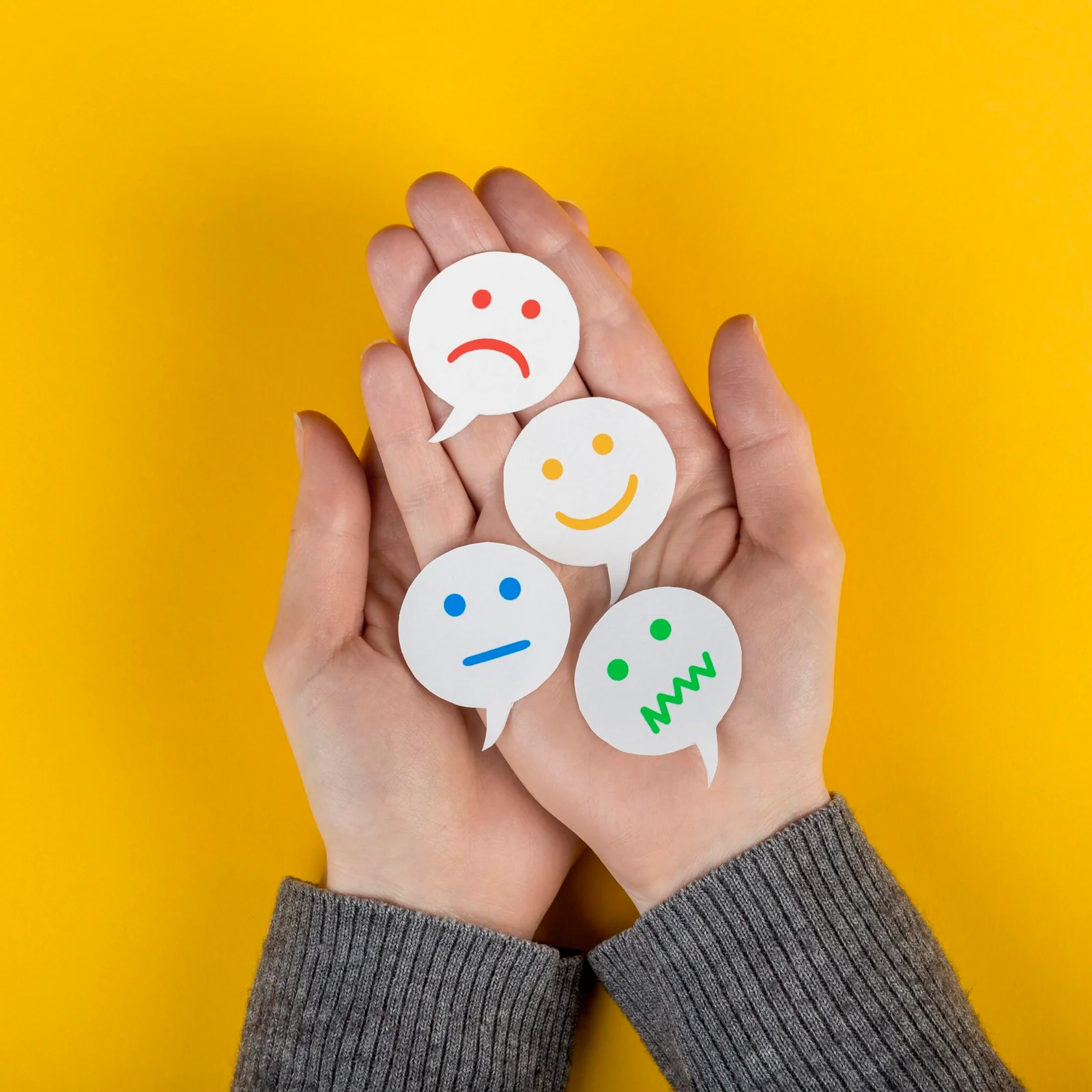
Discover how Social Emotional Learning (SEL) empowers students to manage emotions, build strong relationships, and make responsible decisions for lifelong success.
Introduction
Why Traditional Education Is No Longer Relevant
Did you know that students participating in Social Emotional Learning programs show an 11% increase in academic performance? This, of course, points to the transformative power of SEL in modern education. SEL is a process of acquiring skills to handle emotions and relationships and to make appropriate decisions. As the cry for holistic education grows stronger, SEL gains inroads. This blog will let you in on what SEL is, what its benefits are, and how it can best be implemented in schools in very practical terms.
What is Social Emotional Learning?
How Traditional Education Stifles Individuality and Creativity
Social Emotional Learning is the process by which people acquire and apply the knowledge, skills, and attitudes necessary to understand and manage emotions, set and achieve goals, show empathy, maintain positive relationships, and make responsible decisions.
The five core competencies of SEL are:
- Self-Awareness: Knowing one’s emotions and recognizing their impact.
- Self-Management: Regulating emotions and behaviors effectively.
- Social Awareness: Showing empathy, valuing diversity.
- Relationship Skills: Building and maintaining healthy relationships.
- Responsible Decision-Making: Making ethical and constructive choices.
Why Should Schools Prioritize SEL?
Why SEL Matters in Today's Education
Social Emotional Learning is more than a teaching strategy; it’s a transformational approach that addresses the holistic development of students. With SEL as a priority, schools nurture emotional intelligence, resilience, and interpersonal skills in students, thus empowering them to succeed academically, socially, and emotionally, preparing them for lifelong success.
- Enhancing Academic Outcomes: Research shows that SEL significantly boosts academic performance. When students learn to regulate their emotions and focus better, they perform well academically and exhibit improved classroom behavior.
- Fostering a Positive School Climate: SEL promotes inclusivity, respect, and empathy, creating a supportive school environment. For example, schools implementing SEL programs report reduced conflicts and increased student collaboration.
- Preparing Students for Life Beyond School: SEL equips students with basic life skills such as adaptability, communication, and teamwork. These skills are quite vital in the workplace and thus career readiness is guaranteed.
- Supporting Mental Health and Emotional Well-being: Helping students to cope with stress, SEL addresses mental health challenges such as anxiety. It also helps to build resilience and reduces bullying, creating a much healthier school environment.
- Reducing Chronic Absenteeism: Students who feel emotionally supported are likely to have better school attendance, which reduces chronic absenteeism.
- Improved Student Engagement: SEL makes learning more interactive and relatable, which increases participation and interest in school activities among students.
How Can Schools Effectively Implement SEL?
A strategic and collaborative approach is necessary for successful Social Emotional Learning implementation. Schools could provide a nurturing environment that would help students to be successful by integrating SEL in the curriculum, empowering educators, and involving the community. Here are key strategies for the effective implementation of SEL in schools:
- Adopt a Professional SEL Curriculum: Well-structured programs for grade levels can ensure that programs are implemented consistently.
- Provide Teacher Training: Teachers need to be trained in SEL methodologies in order to deliver impactful lessons.
- Use Interactive Tools: Game based learning, workshops, and role-playing can make SEL lessons engaging.
- Encourage Community Involvement: Parents and guardians can reinforce SEL at home.
- Leverage Technology: Apps and digital platforms can complement classroom SEL activities.
Challenges in Implementing SEL and How to Overcome Them
Implementing Social Emotional Learning may face barriers like limited resources, lack of training, or resistance to change. Schools can address these by:
- Starting small with pilot programs: Starting with pilot programs allows schools to introduce SEL on a smaller scale, assess its effectiveness, and make necessary adjustments before scaling up.
- Partnering with SEL-focused organizations for support: Collaborating with organizations specializing in SEL can provide schools with expert guidance and resources. These organizations often offer ready-made SEL curricula, professional development workshops, and ongoing support to help educators implement effective programs.
- Seek funding or grants to ensure resource availability: Limited budgets are a significant barrier to implementing SEL effectively. Schools can address this by applying for grants and funding opportunities specifically aimed at promoting SEL initiatives. Many foundations, nonprofits, and government programs provide financial support for educational innovations, including SEL.
Conclusion
Social Emotional Learning is an essential pillar of holistic education. By nurturing self-awareness, empathy, and responsible decision-making, Social Emotional Learning prepares students not just for academic success but also for life. Schools implementing SEL programs witness higher engagement, better mental health, and stronger community bonds. Prioritizing SEL means investing in a future with kinder, more emotionally resilient individuals.
Call to Action
Are you ready to start a Social Emotional Learning program in your school? Book a demo with TomoClub today at tomoclub.org or reach out to us at info@tomoclub.org for more information!
